Tell us about the job
Takes about a minute. No obligation.
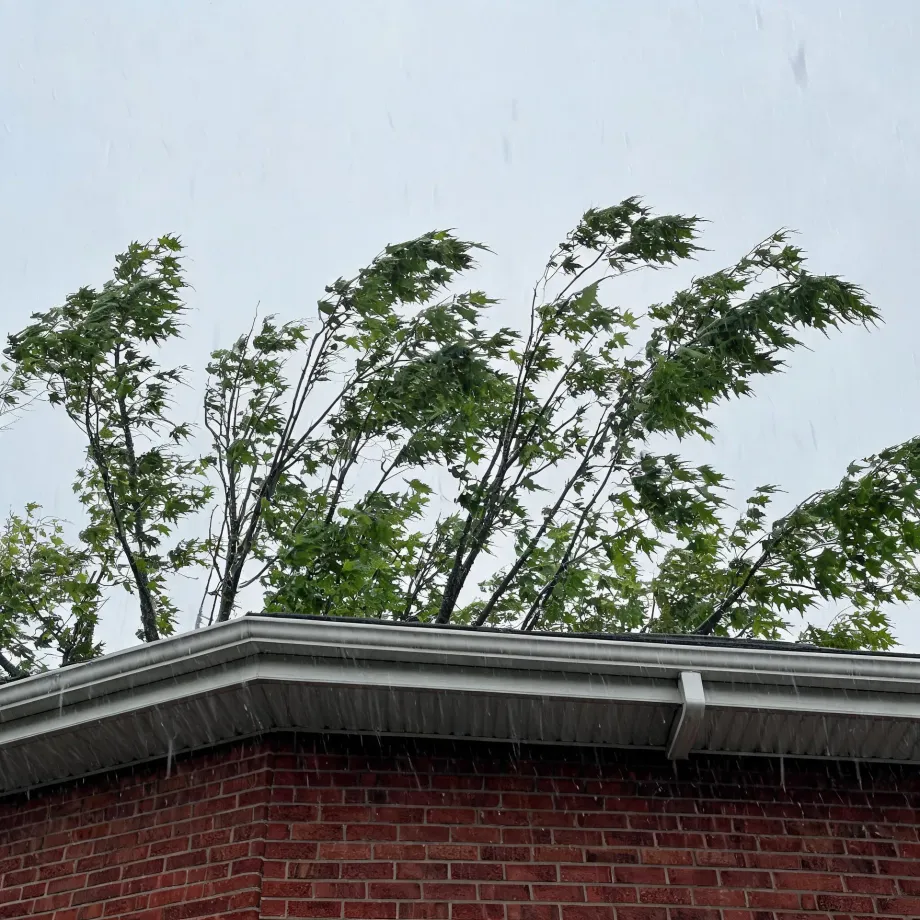
A furnace quote in Halifax County starts with what the equipment will run against, and that question has a real answer. 260 severe weather events were recorded in Halifax County, Virginia between 2015 and 2024. At that rate, severe weather is part of the normal operating life of any system installed here, which means sizing and installation decisions carry more weight than they do in quieter areas. A contractor who treats equipment selection as a catalog lookup is skipping the part of the job this county actually demands.
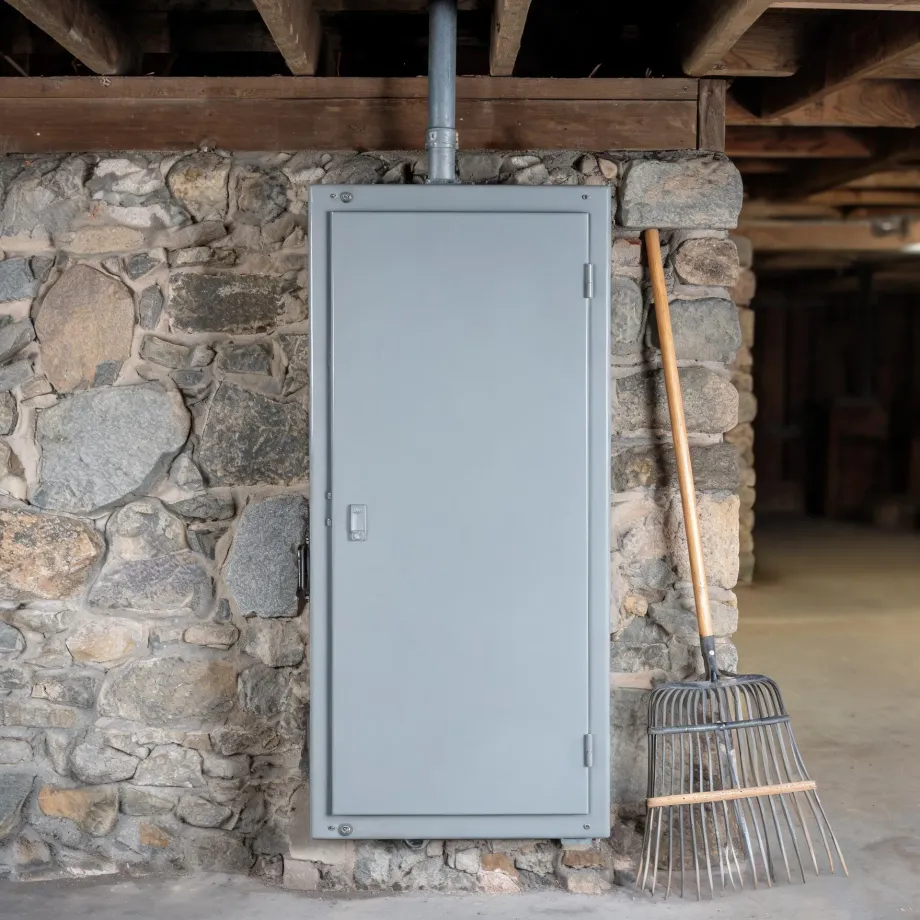
Ductwork laid out for an earlier generation of heating equipment carries different geometry, different trunk sizing, and sometimes different materials than what a furnace installed today expects to push air through. Half the homes in Halifax County, Virginia were built in 1974 or earlier (2020-2024 ACS 5-year). That history shows up at the point of installation: a contractor assessing a new furnace here has to determine whether the existing duct runs will distribute heat from a modern unit or whether the system needs rebalancing before the new equipment goes in. Electrical service gets the same check. The furnace is ordered after those answers come back.
What a Furnace Installation Puts in Your Home
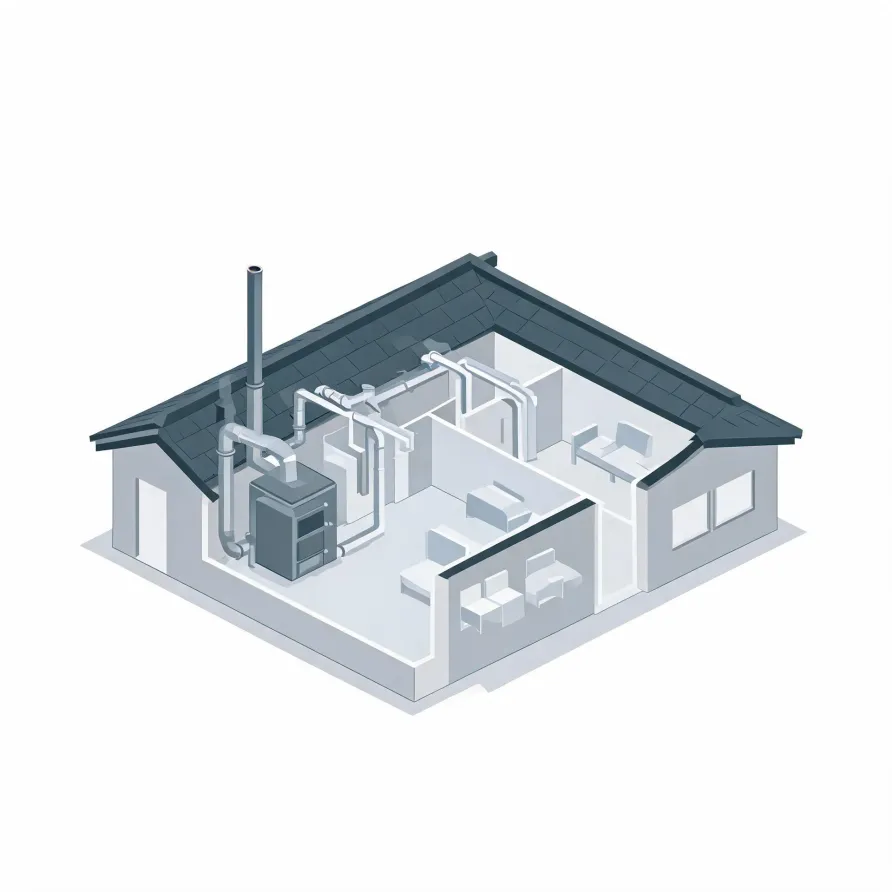
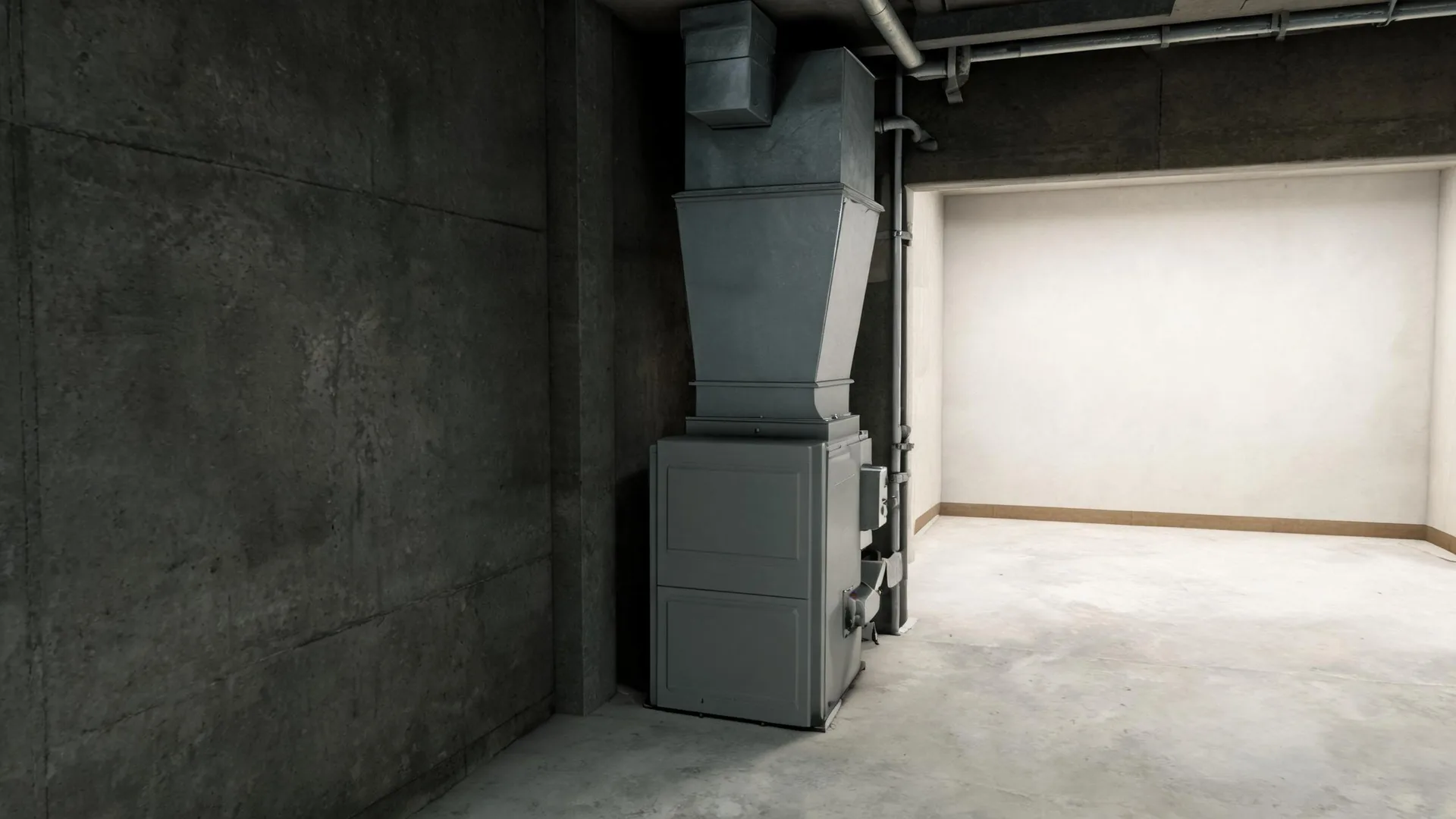
The furnace itself sits inside the house, almost always in a basement, utility room, or closet. It is the box that produces the heat. Attached to it is the air handler, which draws air across the heat exchanger and pushes the warmed air into the duct system.
The flue pipe runs from the furnace to an outside wall or through the roof, carrying combustion exhaust out of the house. A thermostat mounts on an interior wall and gives you control over when the furnace runs and at what temperature.
The drawing shows a typical layout, and a licensed contractor determines exactly what applies to your house.
Get matched in Halifax CountyHalifax County, Virginia, by the numbers
260 severe weather events were recorded in Halifax County, Virginia between 2015 and 2024.
NOAA National Centers for Environmental Information, Storm Events Database, bulk CSV export, events 2015-01-01 through 2024-12-31.Half the homes in Halifax County, Virginia were built in 1974 or earlier (2020-2024 ACS 5-year).
U.S. Census Bureau, 2020-2024 American Community Survey 5-Year EstimatesHalifax County, Virginia holds 17,443 housing units (2020-2024 ACS 5-year).
U.S. Census Bureau, 2020-2024 American Community Survey 5-Year EstimatesOwners occupy 74.6% of the occupied homes in Halifax County, Virginia (2020-2024 ACS 5-year).
U.S. Census Bureau, 2020-2024 American Community Survey 5-Year EstimatesCodes & Standards Governing Furnace Installation in Halifax County, Virginia6 sourced rules & standards
What the Installation Actually Looks Like
Non-weatherized gas furnaces manufactured on or after November 19, 2015 must reach 80.0 percent AFUE.
Non-weatherized oil-fired furnaces manufactured on or after November 19, 2015 must reach 83.0 percent AFUE.
Mobile home gas furnaces manufactured on or after November 19, 2015 must reach 80.0 percent AFUE.
Non-weatherized gas furnaces manufactured on or after December 18, 2028 must reach 95.0 percent AFUE, up from the 80.0 percent minimum that applies to units manufactured before that date.
What Halifax County, Virginia Requires for HVAC Installation
Virginia’s contractor licence classes start above $1,000: the entry class covers a single contract or project over $1,000 but less than $30,000, or less than $250,000 of work in any 12-month period, with larger classes above that.
Virginia requires a contractor licence: no person may engage in, or offer to engage in, contracting work in the Commonwealth without one.
Severe Weather Events in Halifax County, Virginia
Halifax County's weather puts real demands on heating equipment. How hard a furnace works over its life is a local question, and local storm history is part of that picture.
260 severe weather events, 2015–2024. Source: NOAA National Centers for Environmental Information, Storm Events Database.