Tell us about the job
Takes about a minute. No obligation.
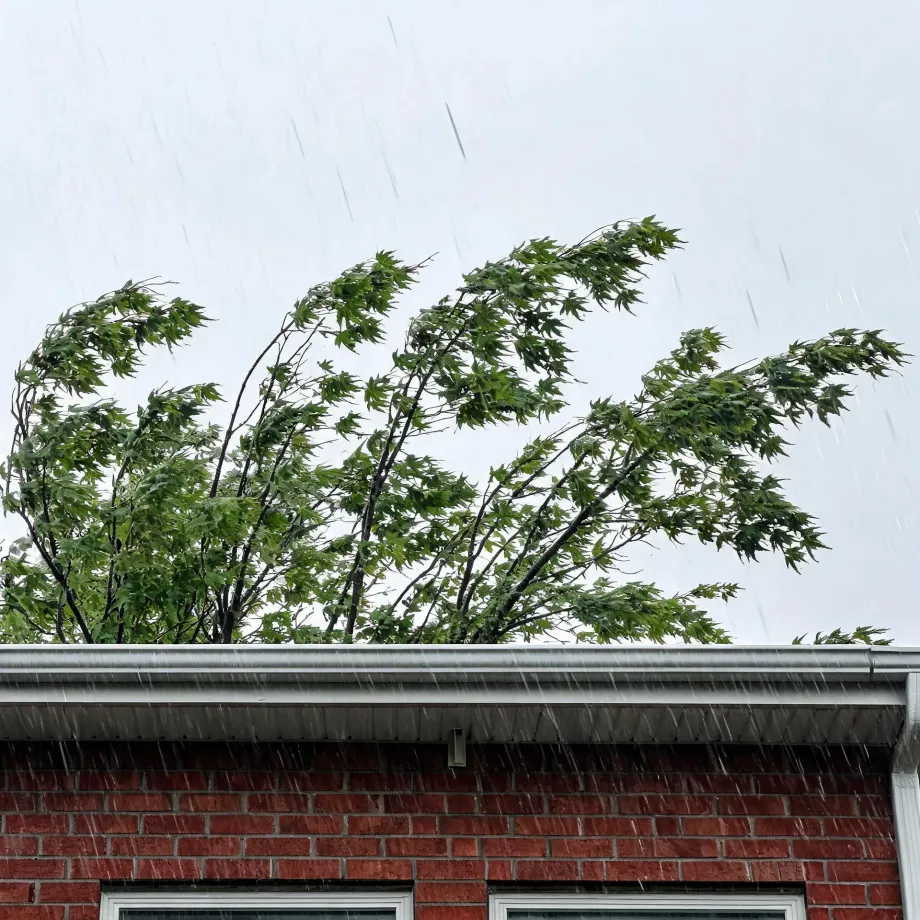
A furnace repair in Augusta County starts with what the system has actually been through. 190 severe weather events were recorded in Augusta County, Virginia between 2015 and 2024. At that rate, severe weather is a standing condition for equipment here, not an occasional interruption, and a contractor will want to know which components have been absorbing that load before settling on a repair scope. Heat exchangers, igniters, and pressure switches wear on a schedule that reflects both age and cumulative stress. A part that has been cycling hard through repeated weather events may be at the end of its serviceable life regardless of what finally tripped the fault code.
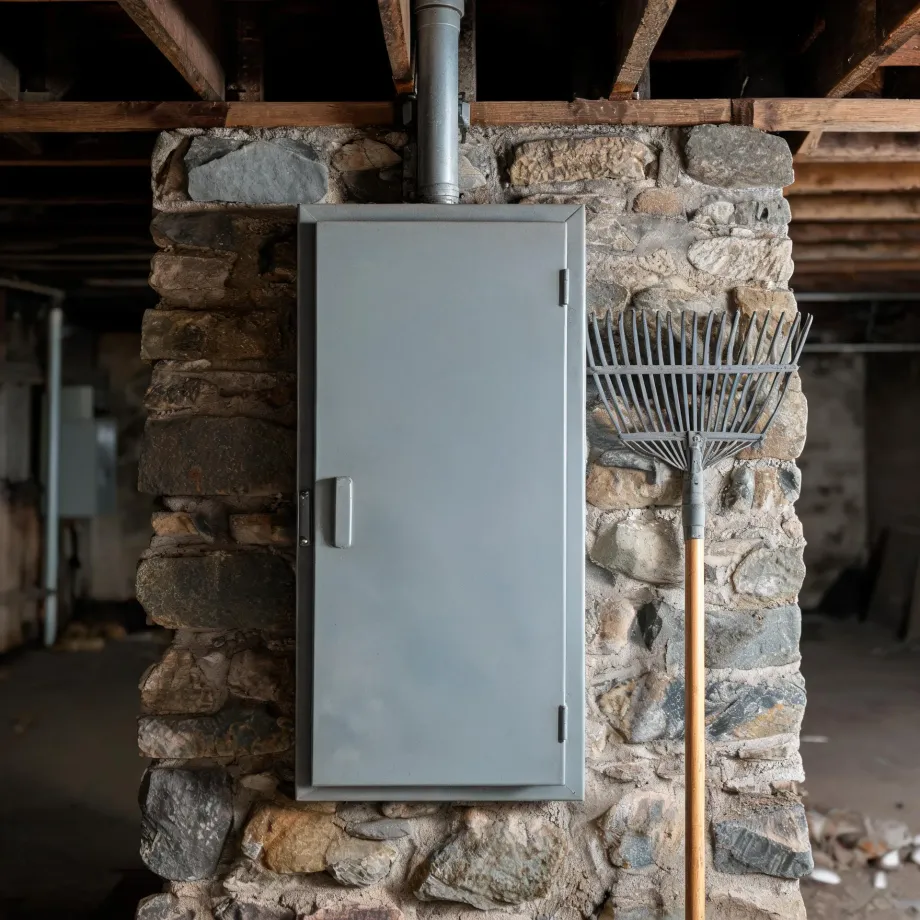
Older ductwork and aging furnaces tend to share a history in this county's homes, and the furnace is usually the younger of the two. Half the homes in Augusta County, Virginia were built in 1989 or earlier (2020-2024 ACS 5-year). A contractor who opens a furnace in stock that old is working out whether the heat exchanger, the control board, or the inducer assembly it takes still has an active supply chain, or whether the repair requires sourcing discontinued components. That question shapes the bill more than the labor does.
The Parts of a Furnace a Contractor Checks First
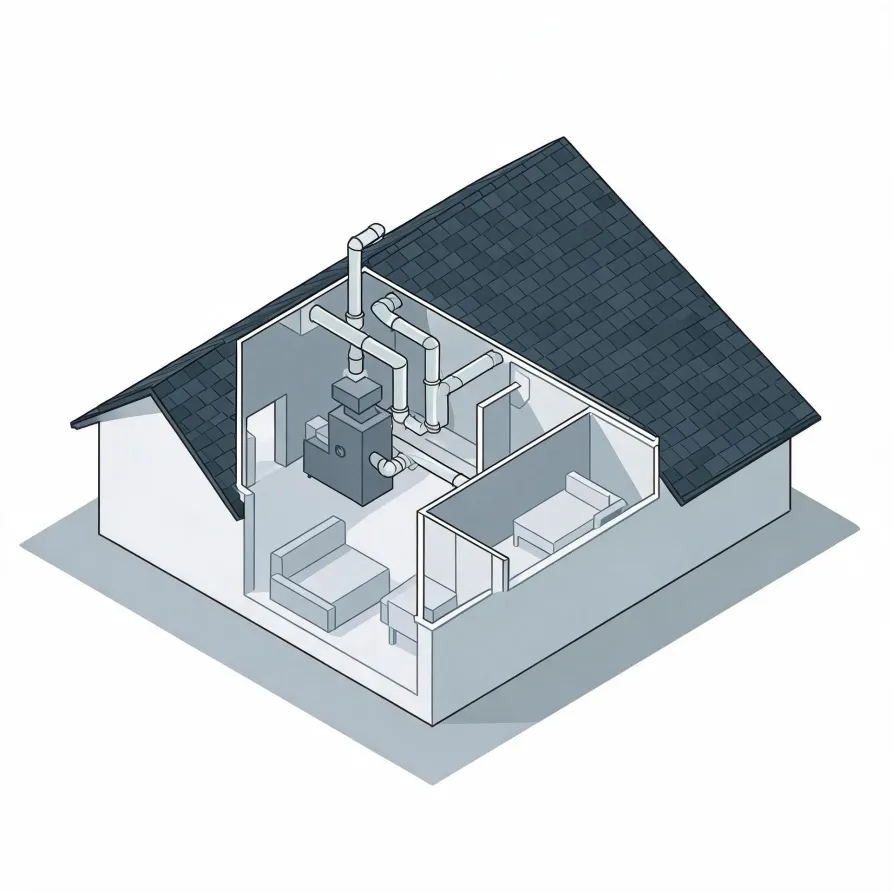
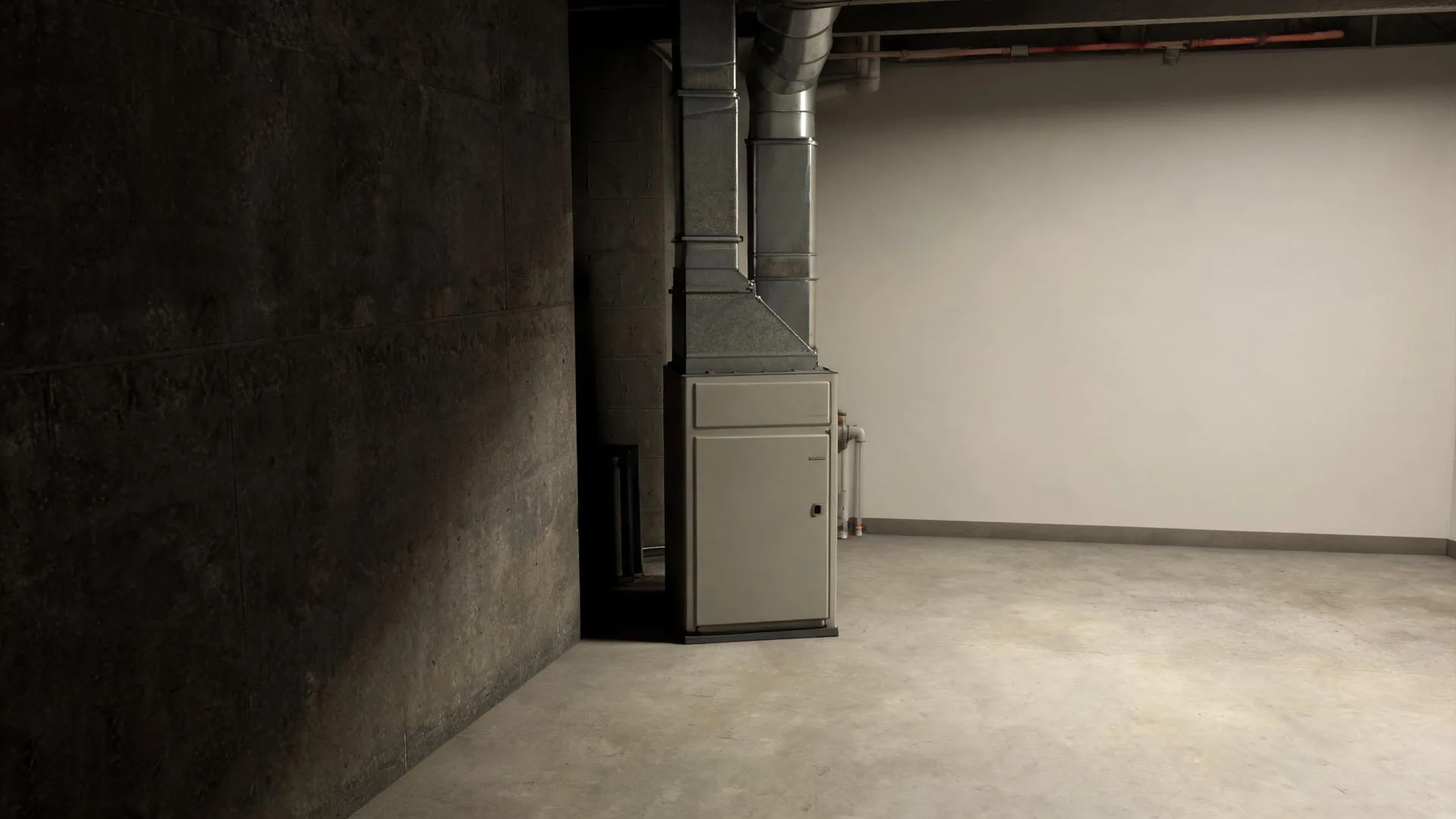
The furnace itself sits in a utility space, basement, or closet and is the piece that produces heat. Inside it, the heat exchanger, burners, and blower motor each carry a share of that job. When a furnace stops working or works poorly, a contractor starts by tracing which of those internal parts has failed.
The flue pipe runs from the furnace to an exterior wall or roofline and carries combustion gases out of the house. The thermostat, mounted on a wall inside the living space, signals the furnace to fire. Both are part of what a contractor works through when tracking down a fault.
The drawing shows a general layout of how these parts relate to one another, and a licensed contractor determines which components apply and what work is needed in your specific home.
Get matched in Augusta CountyAugusta County, by the numbers
190 severe weather events were recorded in Augusta County, Virginia between 2015 and 2024.
NOAA National Centers for Environmental Information, Storm Events Database, bulk CSV export, events 2015-01-01 through 2024-12-31.Half the homes in Augusta County, Virginia were built in 1989 or earlier (2020-2024 ACS 5-year).
U.S. Census Bureau, 2020-2024 American Community Survey 5-Year EstimatesAugusta County, Virginia holds 33,111 housing units (2020-2024 ACS 5-year).
U.S. Census Bureau, 2020-2024 American Community Survey 5-Year EstimatesOwners occupy 80.2% of the occupied homes in Augusta County, Virginia (2020-2024 ACS 5-year).
U.S. Census Bureau, 2020-2024 American Community Survey 5-Year EstimatesRules & Standards Behind Furnace Repair in Augusta County, Virginia6 sourced rules and standards
What HVAC Repair Looks Like in Augusta County
Non-weatherized gas furnaces manufactured on or after November 19, 2015 must reach 80.0 percent AFUE.
Non-weatherized oil-fired furnaces manufactured on or after November 19, 2015 must reach 83.0 percent AFUE.
Mobile home gas furnaces manufactured on or after November 19, 2015 must reach 80.0 percent AFUE.
Non-weatherized gas furnaces manufactured on or after December 18, 2028 must reach 95.0 percent AFUE, up from the 80.0 percent minimum that applies to units manufactured before that date.
Licensing and Legal Requirements in Augusta County, Virginia
Virginia’s contractor licence classes start above $1,000: the entry class covers a single contract or project over $1,000 but less than $30,000, or less than $250,000 of work in any 12-month period, with larger classes above that.
Virginia requires a contractor licence: no person may engage in, or offer to engage in, contracting work in the Commonwealth without one.
Weather Stress on HVAC Equipment in Augusta County
Heating equipment in Augusta County works against whatever the local climate demands of it, and that load shortens the life of components and raises the odds of a breakdown. A contractor who repairs furnaces here is dealing with conditions specific to this area, not a generic equipment problem.
190 severe weather events, 2015–2024. Source: NOAA National Centers for Environmental Information, Storm Events Database.