Tell us about the job
Takes about a minute. No obligation.
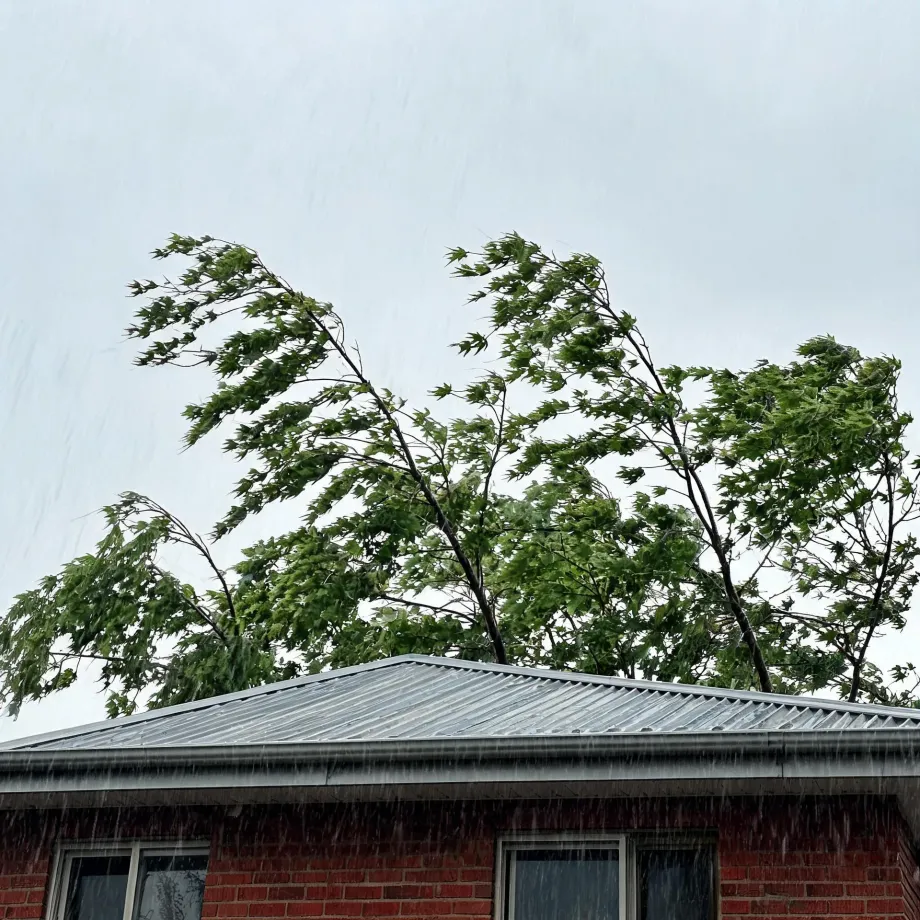
A furnace repair in Craig County starts with the equipment itself: how old the heat exchanger is, whether the filter has been changed, how the burner has been maintained. 47 severe weather events were recorded in Craig County, Virginia between 2015 and 2024. At that rate, severe weather is a real but infrequent presence, and it rarely accounts for why a furnace fails. A contractor working a repair here will trace most breakdowns to worn igniters, cracked heat exchangers, or neglected annual service before weather enters the diagnosis at all.
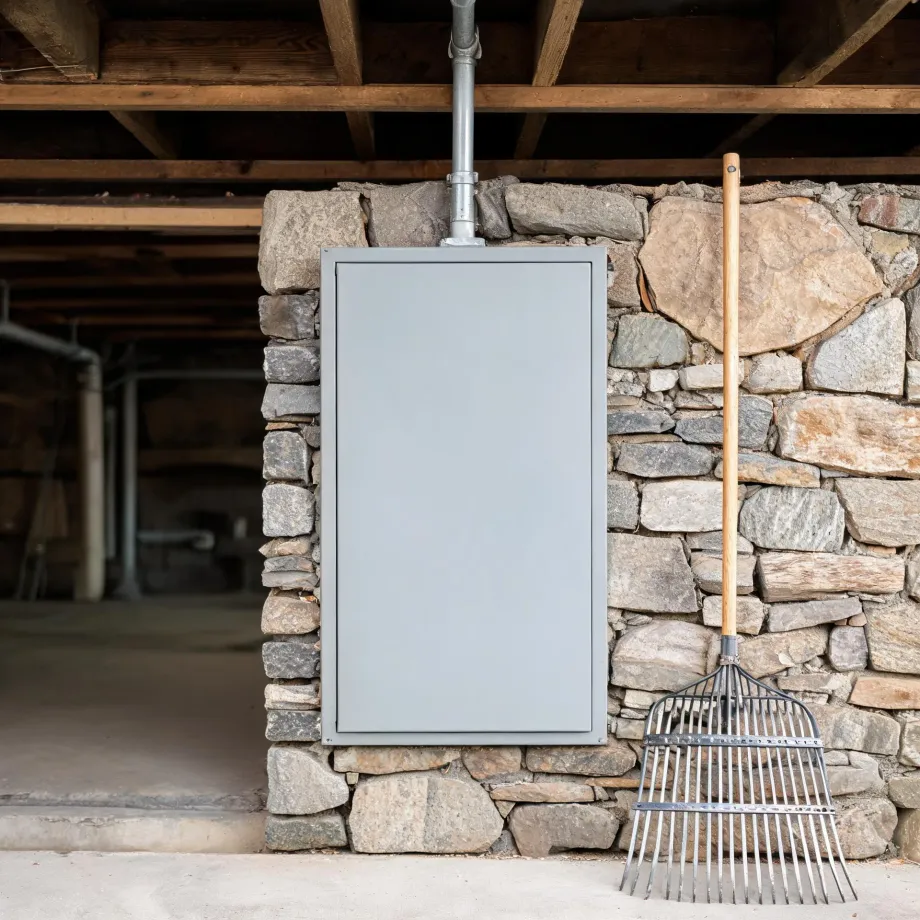
Older ductwork and aged heat exchangers tell a contractor a great deal once the unit is open, but what actually stalls a furnace repair in stock this old is often the parts list. Half the homes in Craig County, Virginia were built in 1981 or earlier (2020-2024 ACS 5-year). A furnace running in a house that age has likely been through at least one component swap already, and what remains inside the cabinet may be a mix of original and replacement parts from manufacturers whose lines have since changed. A contractor who can identify the assembly quickly is still held by whether the part ships.
The Parts of a Furnace a Contractor Checks First
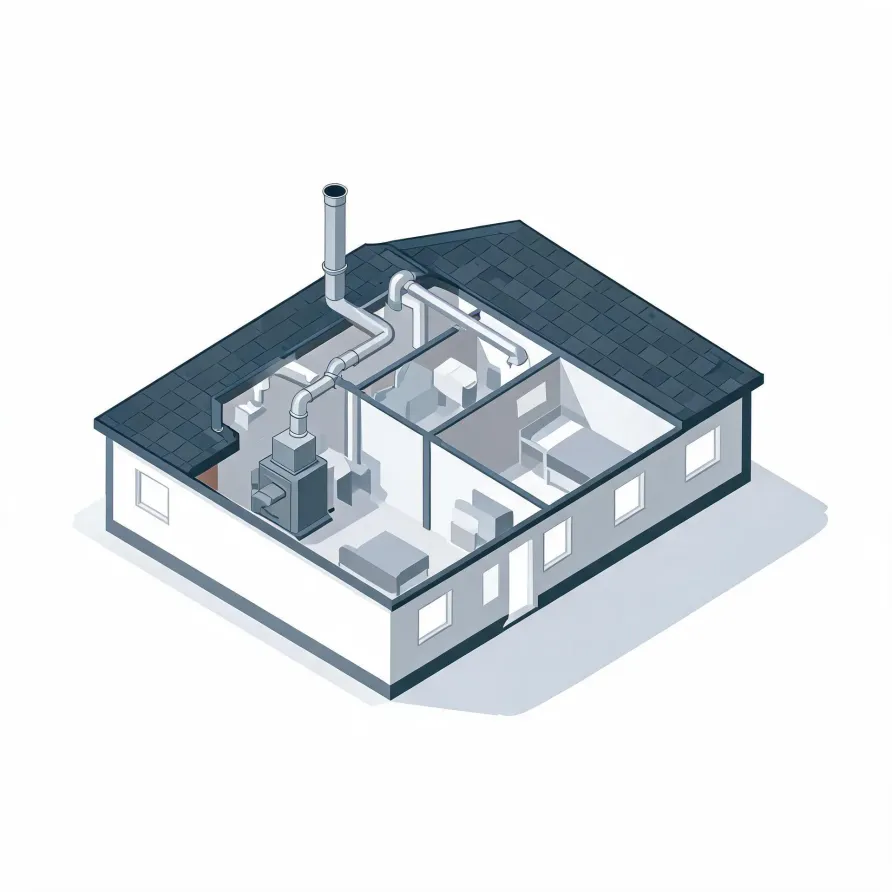
The furnace itself sits in a mechanical room, basement, or closet and is the unit that produces heat. Inside it, the heat exchanger is what a contractor looks at closely when something smells wrong or carbon monoxide is suspected, because cracks there are a common cause of both. The burners and the igniter sit just below it, and a failed igniter is often the first thing a contractor reaches for when the furnace runs but produces no heat.
The blower motor and its fan wheel sit at the base of the furnace and push conditioned air into the ducts. The flue pipe exits the top or back of the unit and carries combustion gases out of the house. The control board ties all of it together, and when symptoms are scattered or hard to read, that board is where a contractor often ends up.
The drawing shows a typical furnace layout, and a licensed contractor determines what applies to your specific system and installation.
Get matched in Craig CountyCraig County, Virginia, by the numbers
47 severe weather events were recorded in Craig County, Virginia between 2015 and 2024.
NOAA National Centers for Environmental Information, Storm Events Database, bulk CSV export, events 2015-01-01 through 2024-12-31.Half the homes in Craig County, Virginia were built in 1981 or earlier (2020-2024 ACS 5-year).
U.S. Census Bureau, 2020-2024 American Community Survey 5-Year EstimatesCraig County, Virginia holds 2,398 housing units (2020-2024 ACS 5-year).
U.S. Census Bureau, 2020-2024 American Community Survey 5-Year EstimatesOwners occupy 83.7% of the occupied homes in Craig County, Virginia (2020-2024 ACS 5-year).
U.S. Census Bureau, 2020-2024 American Community Survey 5-Year EstimatesCodes & Standards Governing Furnace Repair in Craig County, Virginia6 sourced rules & standards
What Happens When the Contractor Comes Out
Non-weatherized gas furnaces manufactured on or after November 19, 2015 must reach 80.0 percent AFUE.
Non-weatherized oil-fired furnaces manufactured on or after November 19, 2015 must reach 83.0 percent AFUE.
Mobile home gas furnaces manufactured on or after November 19, 2015 must reach 80.0 percent AFUE.
Non-weatherized gas furnaces manufactured on or after December 18, 2028 must reach 95.0 percent AFUE, up from the 80.0 percent minimum that applies to units manufactured before that date.
Licensing and Legal Requirements in Craig County, Virginia
Virginia’s contractor licence classes start above $1,000: the entry class covers a single contract or project over $1,000 but less than $30,000, or less than $250,000 of work in any 12-month period, with larger classes above that.
Virginia requires a contractor licence: no person may engage in, or offer to engage in, contracting work in the Commonwealth without one.
Weather Stress on HVAC Equipment in Craig County
Furnaces work harder when outdoor conditions swing far and fast. How often that happens here shapes how much wear a system takes, which is why local weather history is part of the repair picture.
47 severe weather events, 2015–2024. Source: NOAA National Centers for Environmental Information, Storm Events Database.