Tell us about the job
Takes about a minute. No obligation.
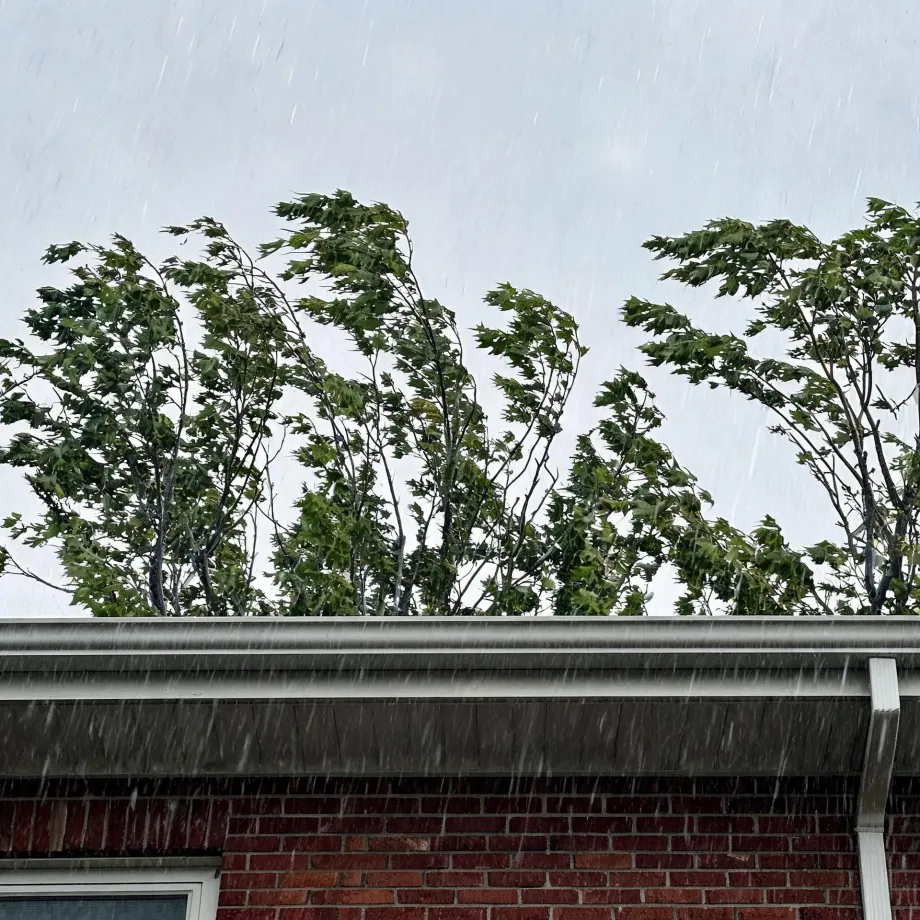
A contractor diagnosing a furnace repair in Richmond County starts by asking what the system has been running against. 97 severe weather events were recorded in Richmond County, Virginia between 2015 and 2024. That puts this area squarely in the middle of what counties across the country see, which means weather load alone rarely explains why a heat exchanger cracks or a blower motor seizes. The contractor looks at service history, filter condition, and component wear first, because those are the likeliest causes. Weather here is a factor, but it is not the overriding one.
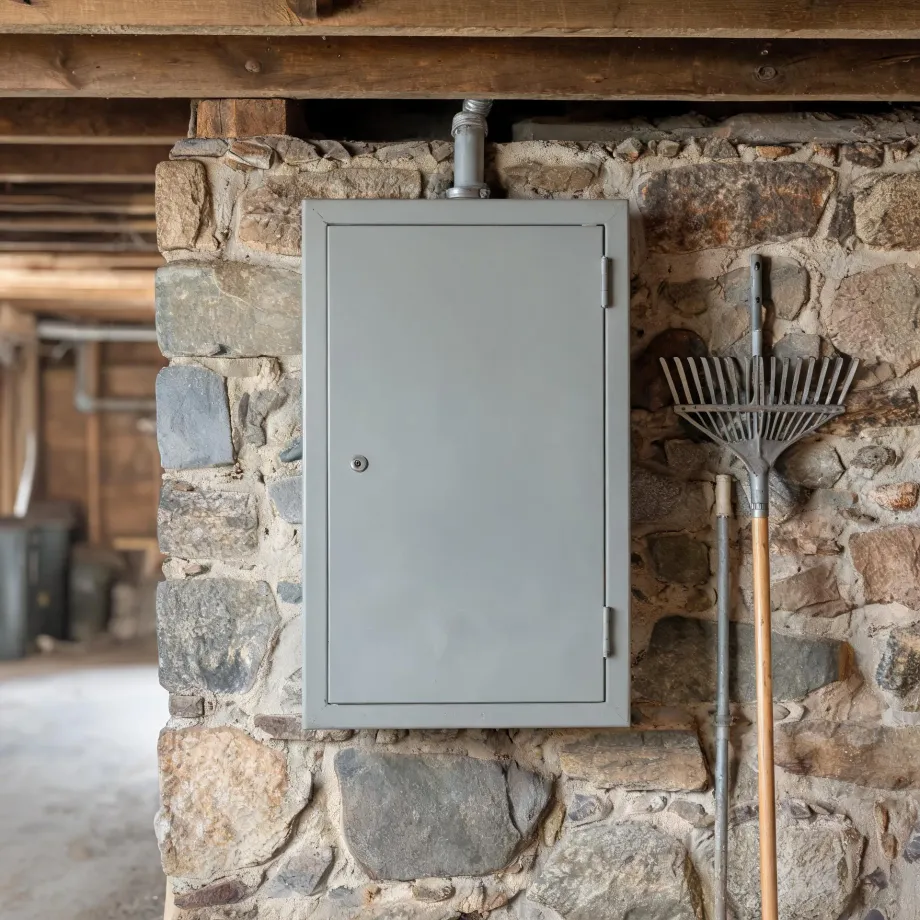
Half the homes in Richmond County, Virginia were built in 1978 or earlier (2020-2024 ACS 5-year). For a furnace repair in a county where that much of the stock carries its age, the question a contractor works through once the unit is open is whether the failed component is still being made, or whether it has aged out of regular supply. A heat exchanger or inducer assembly on a furnace that old may take a part that distributors stock on a short list or do not carry at all, which changes both the timeline and what the contractor recommends next about the repair itself.
The Parts of a Furnace a Contractor Checks First
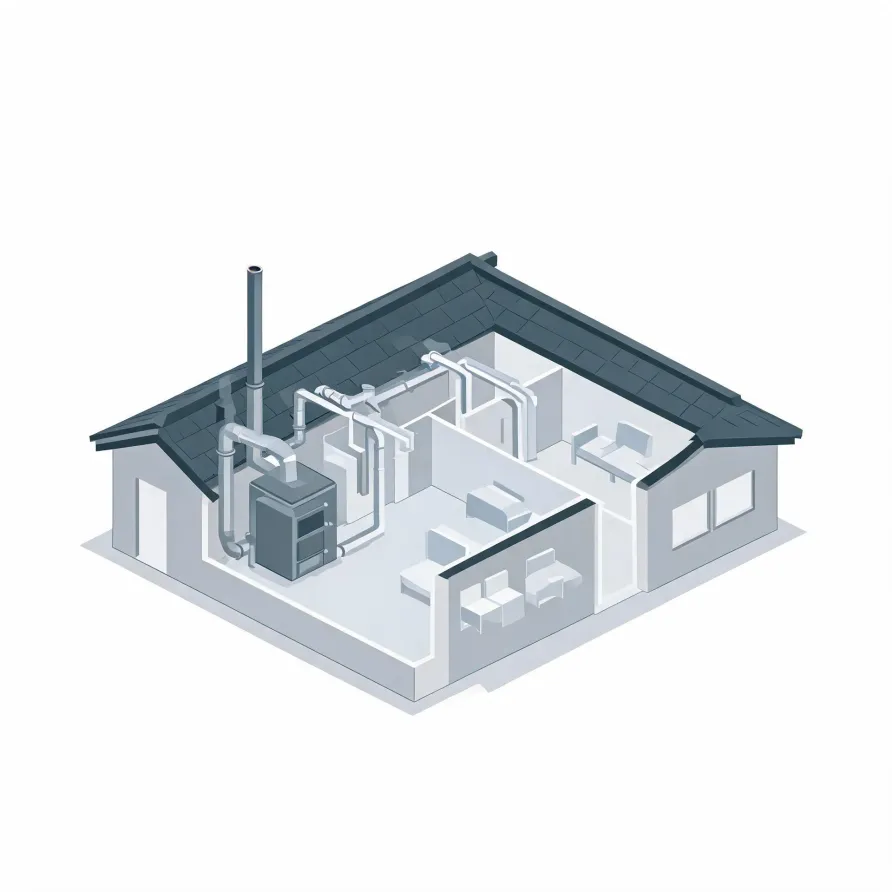
The furnace itself sits in a utility area, basement, or closet and is the unit that generates heat. Inside it, the heat exchanger is the piece a contractor looks at closely during a repair call: cracks or corrosion there let combustion gases into the living space. The burners, which fire beneath the heat exchanger, are another common starting point when a furnace stops heating properly.
The blower motor sits at the base of the furnace cabinet and pushes conditioned air through the house. Alongside it, the control board, igniter, and flame sensor are smaller components that a contractor tests in sequence when the furnace runs erratically or refuses to start. The flue pipe exits the top or rear of the cabinet and carries exhaust gases out of the house.
The drawing shows a typical furnace layout, and a licensed contractor determines which components and conditions apply to your specific system.
Get matched in Richmond CountyRichmond County, Virginia, by the numbers
97 severe weather events were recorded in Richmond County, Virginia between 2015 and 2024.
NOAA National Centers for Environmental Information, Storm Events Database, bulk CSV export, events 2015-01-01 through 2024-12-31.Half the homes in Richmond County, Virginia were built in 1978 or earlier (2020-2024 ACS 5-year).
U.S. Census Bureau, 2020-2024 American Community Survey 5-Year EstimatesRichmond County, Virginia holds 3,970 housing units (2020-2024 ACS 5-year).
U.S. Census Bureau, 2020-2024 American Community Survey 5-Year EstimatesOwners occupy 74.7% of the occupied homes in Richmond County, Virginia (2020-2024 ACS 5-year).
U.S. Census Bureau, 2020-2024 American Community Survey 5-Year EstimatesCodes & Standards Governing Furnace Repair in Richmond County, Virginia6 sourced rules and standards
What Happens When the Contractor Arrives
Non-weatherized gas furnaces manufactured on or after November 19, 2015 must reach 80.0 percent AFUE.
Non-weatherized oil-fired furnaces manufactured on or after November 19, 2015 must reach 83.0 percent AFUE.
Mobile home gas furnaces manufactured on or after November 19, 2015 must reach 80.0 percent AFUE.
Non-weatherized gas furnaces manufactured on or after December 18, 2028 must reach 95.0 percent AFUE, up from the 80.0 percent minimum that applies to units manufactured before that date.
Licensing and Legal Requirements in Richmond County, Virginia
Virginia’s contractor licence classes start above $1,000: the entry class covers a single contract or project over $1,000 but less than $30,000, or less than $250,000 of work in any 12-month period, with larger classes above that.
Virginia requires a contractor licence: no person may engage in, or offer to engage in, contracting work in the Commonwealth without one.
Weather Stress on HVAC Equipment in Richmond County
Furnaces work harder when outdoor conditions swing hard, and Richmond County puts real load on heating systems over the course of a year. A contractor sizing a repair or diagnosing a breakdown looks at that workload as part of the job.
97 severe weather events, 2015–2024. Source: NOAA National Centers for Environmental Information, Storm Events Database.