Tell us about the job
Takes about a minute. No obligation.
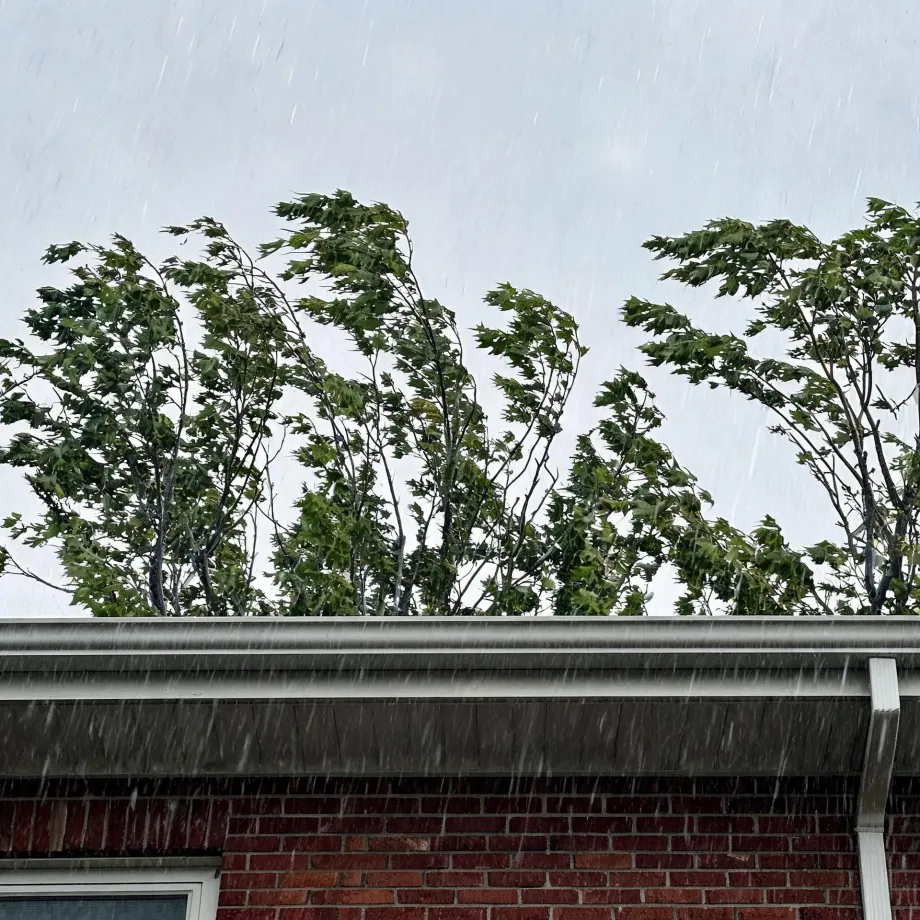
A furnace quote here has to account for what the equipment will run against year after year, not just what the catalog says it should handle. 129 severe weather events were recorded in Appomattox County, Virginia between 2015 and 2024. At that rate, severe weather is a standing operating condition, and a system sized or installed without that in mind will work harder than it was built to, especially at the points in winter when load peaks and margins disappear. Contractors working furnace installs in this county factor that load into duct sealing, equipment sizing, and how the system is set up to handle sustained demand.
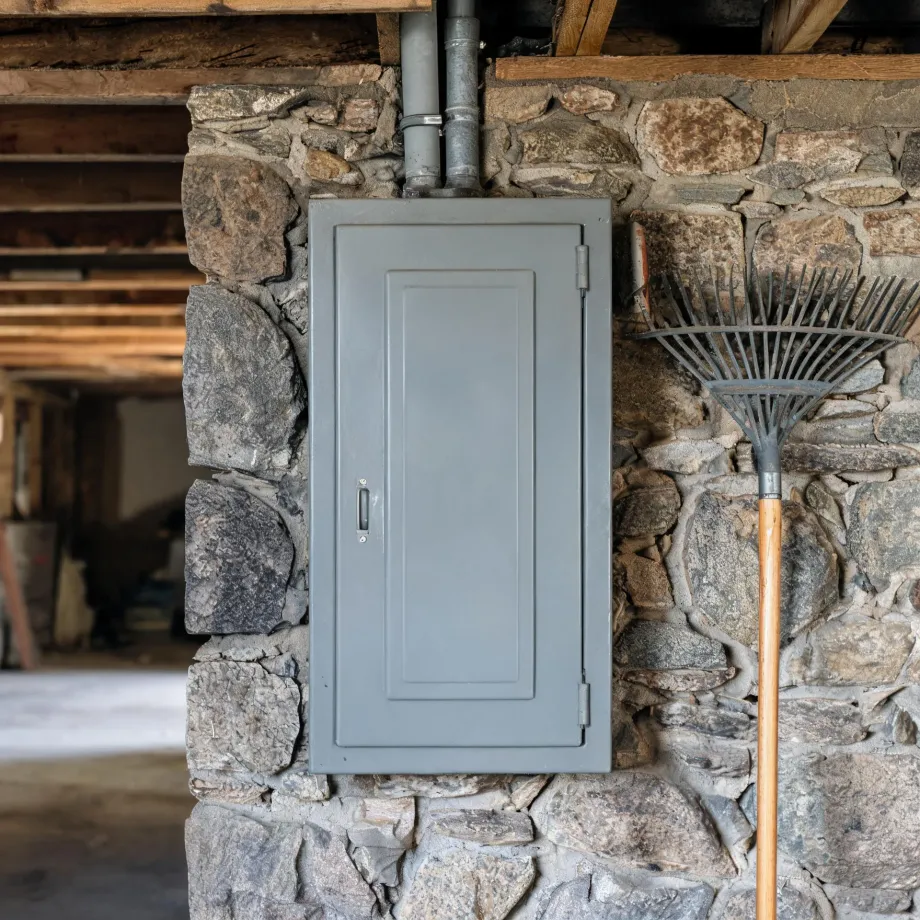
Existing ductwork is what a furnace installation turns on in Appomattox County. Half the homes in Appomattox County, Virginia were built in 1981 or earlier (2020-2024 ACS 5-year). A house of that vintage was typically built around a different heating approach, and whatever ductwork was added or adapted since carries the decisions a contractor has to resolve before the new unit is even ordered. Whether the runs are sized for the airflow a modern furnace demands, whether the returns are in the right places, and whether the electrical service supports the new equipment are the questions that set the scope. The furnace itself is chosen after those answers come back.
What a New Furnace Installation Puts in Your Home
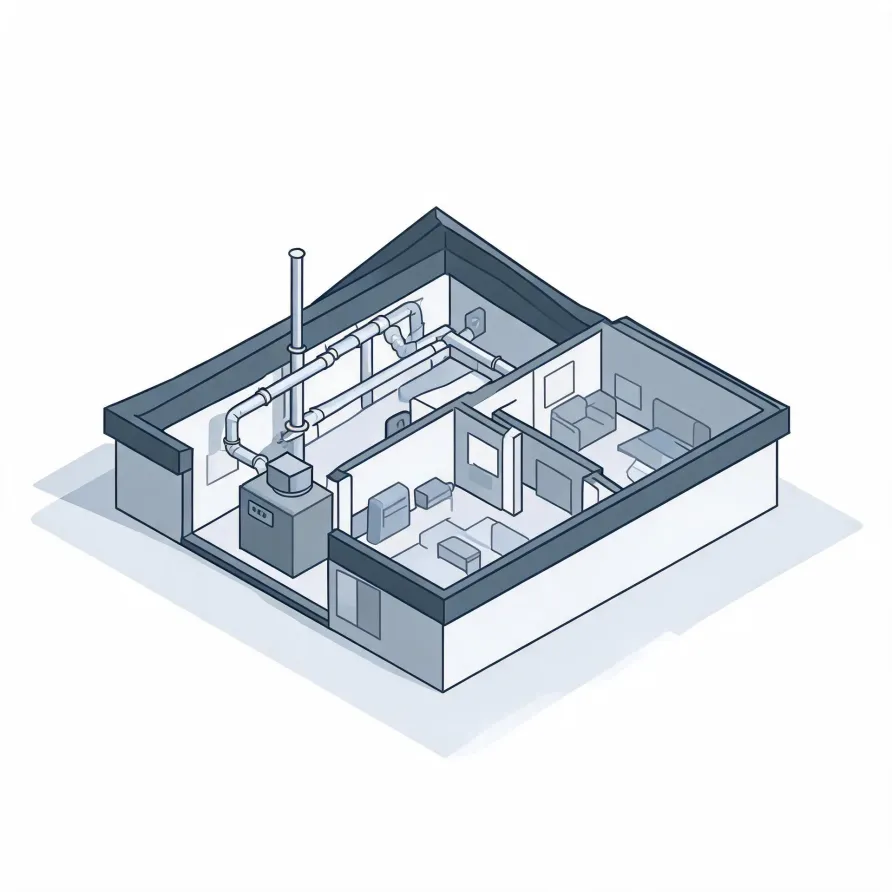
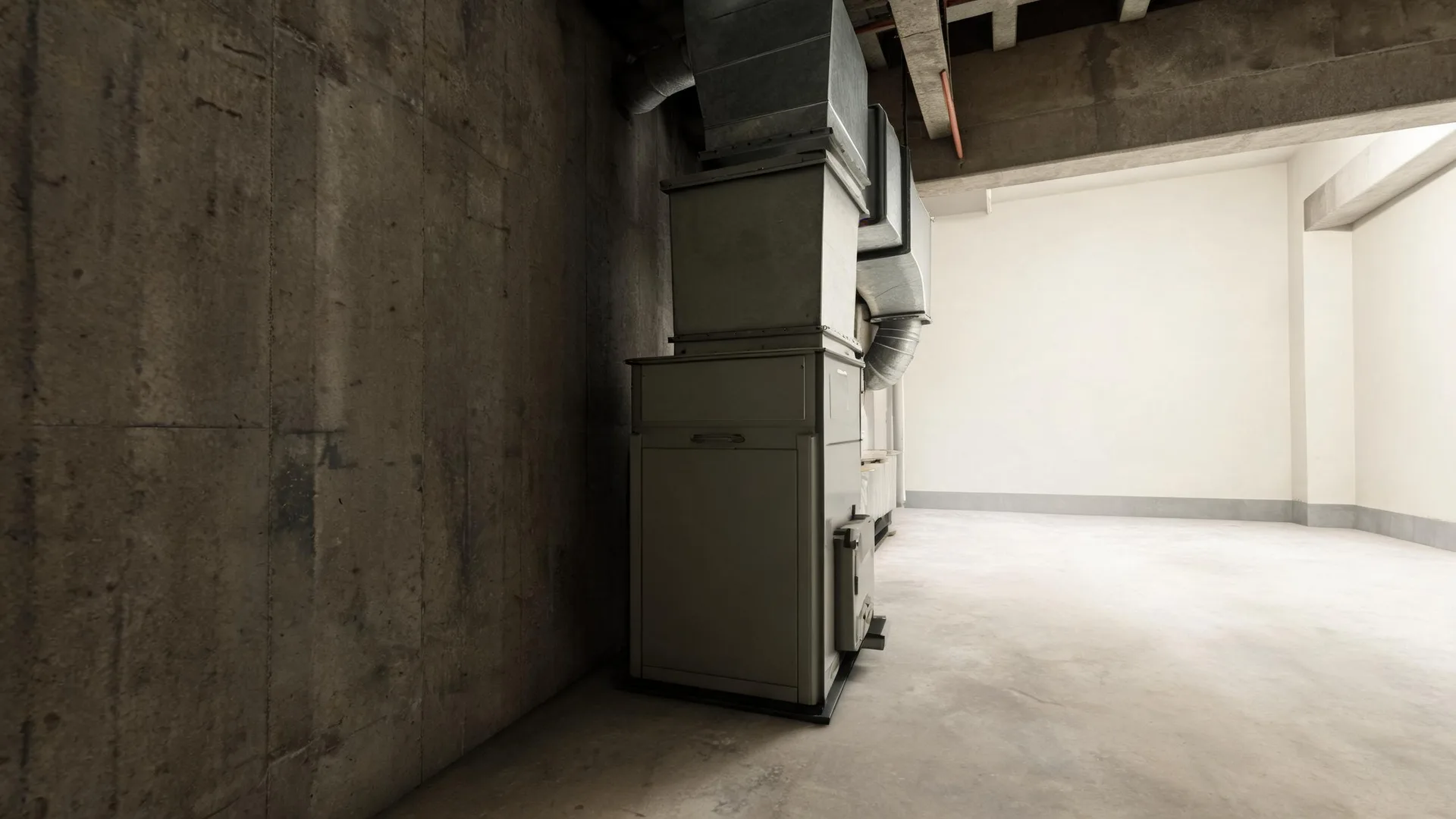
The furnace itself sits in a utility space, a basement, or a closet and is the unit that produces heat for the house. A flue pipe runs from the furnace to an exterior wall or the roof, carrying combustion gases out of the living space. Together these are what a homeowner is buying when they schedule a furnace installation.
The air handler components built into the furnace cabinet connect to a thermostat mounted on a wall inside the house, which tells the system when to run and when to stop. A contractor also ties the furnace into the home's existing air filter housing, which sits at the return-air opening and keeps debris out of the equipment.
The drawing shows the general layout of these components, and a licensed contractor determines exactly what applies to your house's configuration.
Get matched in Appomattox CountyAppomattox County, by the numbers
129 severe weather events were recorded in Appomattox County, Virginia between 2015 and 2024.
NOAA National Centers for Environmental Information, Storm Events Database, bulk CSV export, events 2015-01-01 through 2024-12-31.Half the homes in Appomattox County, Virginia were built in 1981 or earlier (2020-2024 ACS 5-year).
U.S. Census Bureau, 2020-2024 American Community Survey 5-Year EstimatesAppomattox County, Virginia holds 7,459 housing units (2020-2024 ACS 5-year).
U.S. Census Bureau, 2020-2024 American Community Survey 5-Year EstimatesOwners occupy 75.8% of the occupied homes in Appomattox County, Virginia (2020-2024 ACS 5-year).
U.S. Census Bureau, 2020-2024 American Community Survey 5-Year EstimatesFurnace Installation Rules on Record for Appomattox County, Virginia6 codes, standards & laws
What the installation actually looks like
Non-weatherized gas furnaces manufactured on or after November 19, 2015 must reach 80.0 percent AFUE.
Non-weatherized oil-fired furnaces manufactured on or after November 19, 2015 must reach 83.0 percent AFUE.
Mobile home gas furnaces manufactured on or after November 19, 2015 must reach 80.0 percent AFUE.
Non-weatherized gas furnaces manufactured on or after December 18, 2028 must reach 95.0 percent AFUE, up from the 80.0 percent minimum that applies to units manufactured before that date.
Licensing Rules in Appomattox County, Virginia
Virginia’s contractor licence classes start above $1,000: the entry class covers a single contract or project over $1,000 but less than $30,000, or less than $250,000 of work in any 12-month period, with larger classes above that.
Virginia requires a contractor licence: no person may engage in, or offer to engage in, contracting work in the Commonwealth without one.
Severe Weather Events in Appomattox County
Weather in this part of Virginia puts real demands on heating equipment. A furnace sized and installed for local conditions handles those demands better than one that was not.
129 severe weather events, 2015–2024. Source: NOAA National Centers for Environmental Information, Storm Events Database.